What Is the Difference Between AC and DC Power Supply?

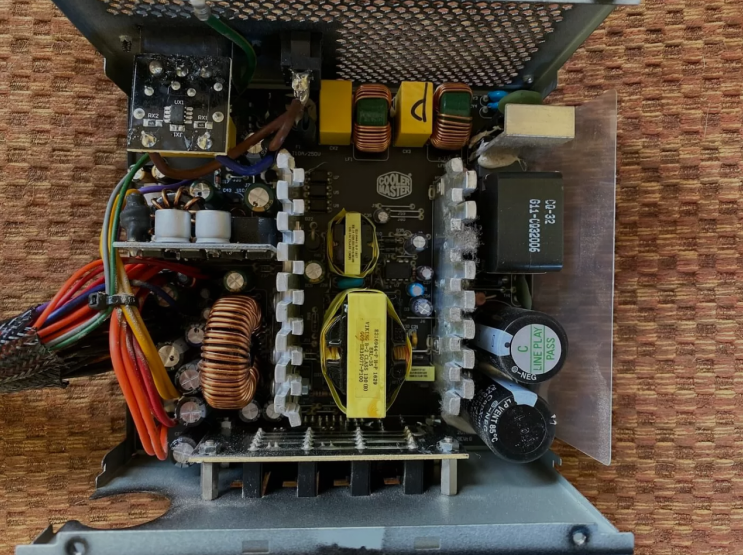
AC power changes direction back and forth many times every single second. DC power flows in one steady direction without any change at all. The power supply unit converts AC power from the wall into DC power.
This conversion process makes electricity safe and ready for computer parts. Power supplies play a key role in this important conversion step always.
What Is AC Power?
AC power comes from wall outlets in homes and offices every day. It alternates its flow direction at a rate of sixty times per second. AC power can travel long distances from power plants to your location easily.
This type of power works well for lights and large home appliances. Power companies prefer AC power for their main distribution networks around the world.
What Is DC Power?
DC power flows in one direction only without changing at any time. Batteries and solar panels produce this type of power for everyday use. DC power stays constant and provides stable energy to sensitive parts.
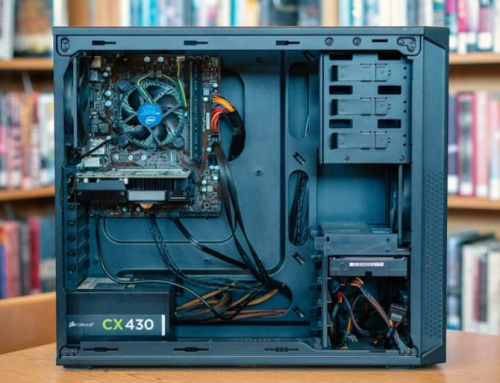
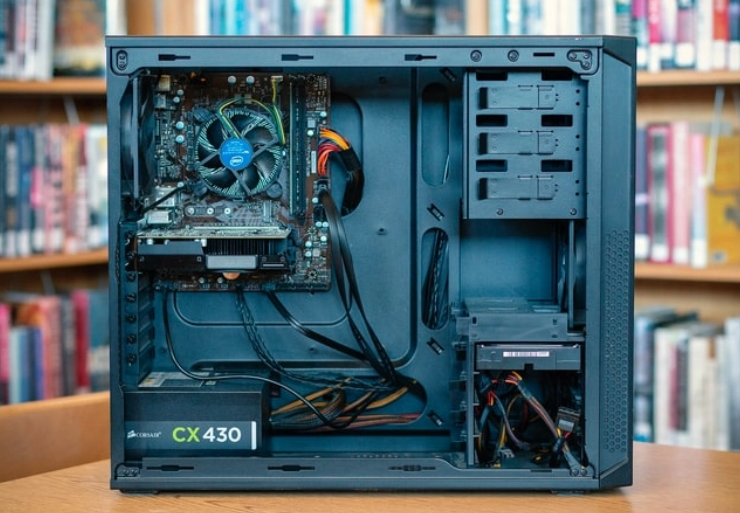
Computers and many gadgets require DC power for proper operation always. The power supply changes AC power into this DC power inside the case.
Main Differences Between AC and DC Power
AC power reverses direction while DC power keeps the same direction forever. AC power uses higher voltage levels for long distance transmission through wires. DC power uses lower voltage levels and works better for short distances.
- AC power can cause more interference with sensitive electronic equipment in some cases.
- DC power gives very stable voltage for computer processors and memory chips.
- AC power comes from the electrical grid while DC power comes from batteries.
- The conversion in power supplies turns AC power into usable DC power.
How Power Supplies Handle the Conversion
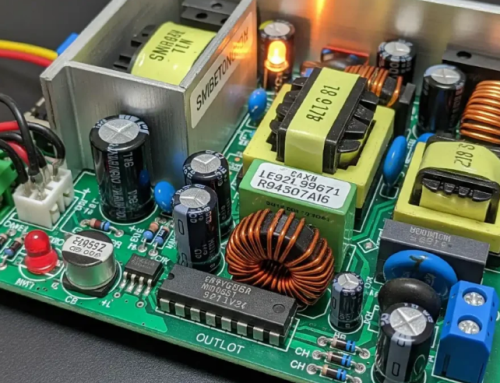
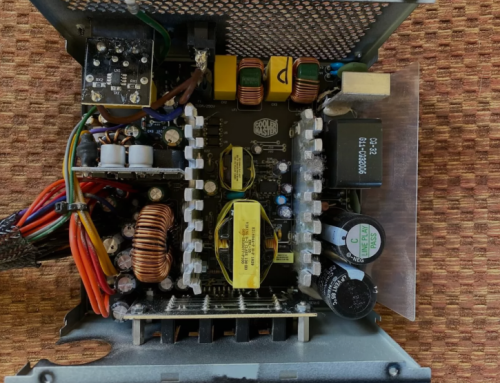
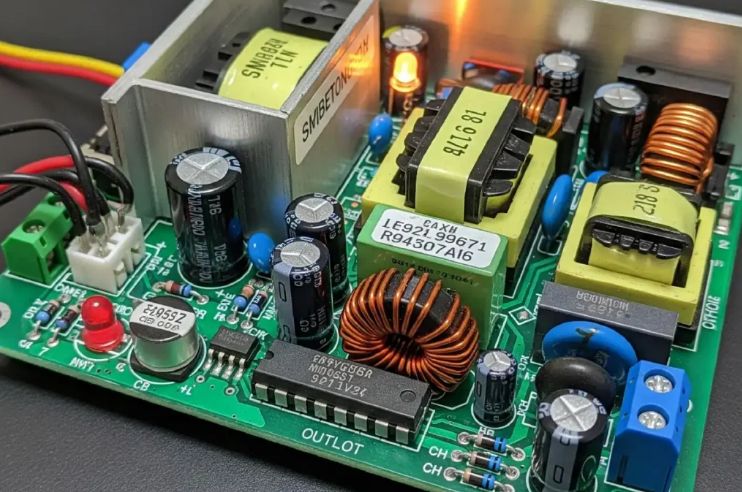
Power supplies use special circuits to change AC power into DC power. This process includes rectification and regulation steps inside the power supply unit. The unit reduces voltage levels to safe amounts for all parts.
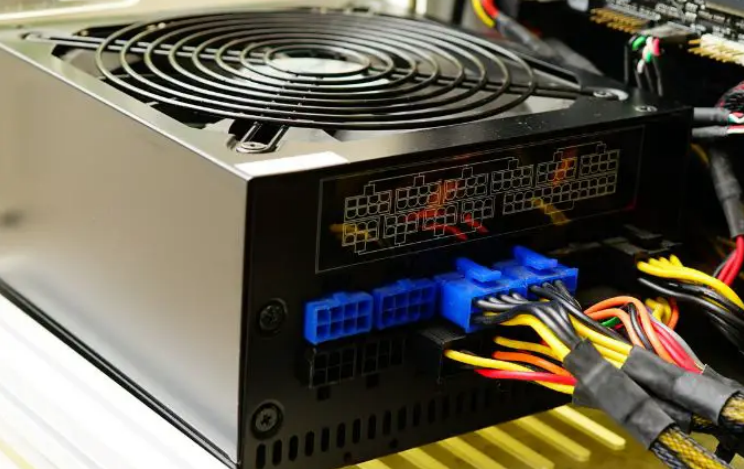
Power supplies also distribute the DC power through different voltage rails. These rails include:
- Twelve volts for drives and graphics cards mainly
- Five volts for other system parts
- Three point three volts for remaining circuits
Why Computers Use DC Power
Computers need DC power because their parts work best with steady flow. AC power would damage sensitive chips and circuits inside the system. The power supply makes sure the computer receives the right power type. This setup keeps the whole system running in a stable condition.
Different computers need specific power supplies for their exact needs always. Common replacement options by system include:
- Certain HP Pavilion models work with a 300W ATX replacement unit
- Dell OptiPlex desktops often require the 240W unit for Dell OptiPlex 390 790 990
- Higher performance Dell G5 systems may need a 500W PSU for Dell G5 models
You can find matching units for many other computer brands and models easily.
Advantages of AC Power
AC power travels easily over long distances with low energy loss always. AC power is cheaper to generate and distribute to all users in the country. AC power supports high power levels for heavy machines and large tools.
Transformers can change AC voltage levels up or down very easily. This feature makes AC power the standard choice for electrical grids.
Advantages of DC Power
DC power offers stable voltage for delicate computer components inside the system. DC power causes less heat and noise inside electronic devices during operation. DC power works well with modern batteries and solar panels too.
Many small gadgets now run on DC power for better efficiency levels. DC power reduces interference in audio and video equipment greatly always.
Common Uses of Power Supplies
Power supplies appear in computers and many other electrical systems today. They ensure the correct power type reaches every component in the machine. Users should choose the right power supply for their specific computer model.
Check the old unit label for exact details before buying new ones. A good power supply keeps your computer running for a long time.
Selecting a Power Supply for Your Needs
Match the power supply type to your computer case and requirements exactly. The right choice ensures stable power delivery to all parts inside the case. Buy from sources that test the power supply units before shipping.
This step helps avoid problems with your computer system later on. A reliable power supply improves the overall performance of your setup.
If you need a reliable replacement power supply check the options at 365PowerSupply.com.